<h3>Navigating Public Wi-Fi: Common Threats & Why a VPN is Your Digital Armor</h3>
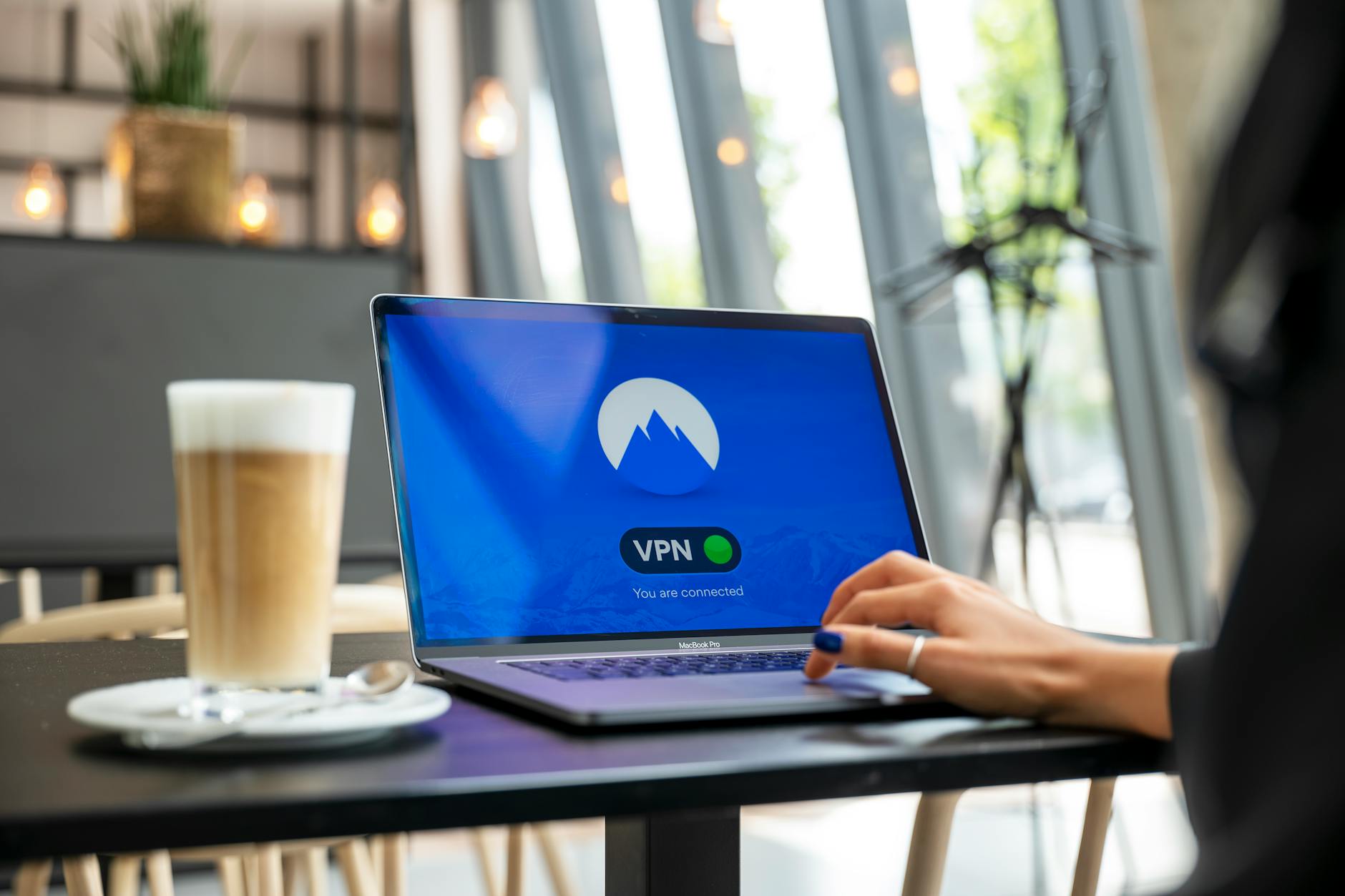
Public Wi-Fi, while undeniably convenient, is a hotbed for cyber threats that can compromise your personal data. Imagine browsing at your favorite coffee shop, thinking you're safe, while a hacker on the same network could be intercepting your communications. Common threats include eavesdropping or 'packet sniffing,' where malicious actors intercept unencrypted data like passwords and credit card numbers. Another danger is the 'man-in-the-middle' (MitM) attack, where an attacker secretly relays and alters the communication between two parties who believe they are directly communicating. Additionally, fake Wi-Fi hotspots, often with names similar to the legitimate ones, are designed to lure unsuspecting users into connecting, giving attackers full access to their devices and information. These vulnerabilities make public Wi-Fi a risky proposition without proper safeguards.
This is where a Virtual Private Network (VPN) steps in as your essential digital armor. A VPN creates a secure, encrypted tunnel between your device and the internet, effectively cloaking your online activity from prying eyes. When you connect to public Wi-Fi with a VPN enabled, all your data traffic is encrypted, making it unreadable to anyone attempting to intercept it – even if they manage to capture your packets, the information within remains indecipherable. Beyond encryption, a VPN also masks your IP address, enhancing your anonymity and making it harder for websites or third parties to track your location and browsing habits. In essence, a VPN transforms a risky public connection into a private, secure one, offering peace of mind and robust protection against the myriad of threats lurking on open networks.
Using a free vpn can be a convenient way to protect your online privacy and access geo-restricted content without incurring additional costs. However, it's important to be aware of potential limitations and security concerns associated with some free services.
<h3>Choosing & Using Your VPN: Practical Tips for Secure Browsing & Answering Your Top Questions</h3>
Navigating the world of Virtual Private Networks (VPNs) can seem daunting, but armed with the right knowledge, you can significantly enhance your online security and privacy. When choosing a VPN, prioritize providers with a strict no-logs policy, strong encryption protocols (like OpenVPN or WireGuard), and a wide network of servers to ensure optimal speed and access. Consider factors like server locations relevant to your needs, device compatibility, and customer support responsiveness. Free VPNs often come with compromises, such as data limitations, slower speeds, or even logging your activity, so investing in a reputable paid service is generally recommended for robust protection. Always read reviews and compare features to find a VPN that aligns with your specific requirements and budget.
Once you've selected your ideal VPN, using it effectively is key to maximizing its benefits. Install the client on all your devices and ensure it's always active, particularly when connecting to public Wi-Fi networks or accessing sensitive information. Experiment with different server locations to bypass geo-restrictions or improve connection speeds. Don't forget to regularly check for VPN software updates, as these often include crucial security patches and performance improvements. Consider enabling advanced features like a kill switch, which automatically disconnects your internet if the VPN connection drops, preventing accidental data leaks. Finally, remember that a VPN is a powerful tool, but it's just one part of a comprehensive online security strategy; combining it with strong passwords and mindful browsing habits offers the best defense.